Introduction to Gloucester Cheeses
Gloucester cheeses have long held a prominent place in the rich tapestry of British cheese heritage. Originating from the Gloucestershire region, these cheeses have a history that dates back several centuries, with records suggesting that their production may have begun as early as the 16th century. The traditional methods of making Gloucester cheese are deeply rooted in local customs and contribute significantly to its unique character and flavor.
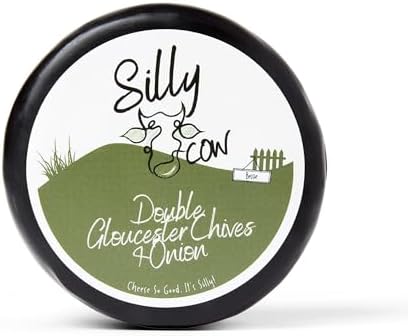


There are two primary types of Gloucester cheese: Double Gloucester and Single Gloucester. Double Gloucester is a rich, creamy cheese made from whole milk, known for its firm texture and smooth, buttery flavor. It is typically aged for a longer period, developing a more robust taste with hints of nuttiness and a slightly granular texture as it matures. Single Gloucester, on the other hand, is made from skimmed milk, resulting in a slightly softer and more delicate cheese. It boasts a milder flavor profile, often described as fresh and creamy, making it an excellent choice for those who prefer a subtler taste.
The distinct qualities of Gloucester cheeses make them a cherished part of British gastronomy. They are celebrated not only for their flavors but also for their versatility in culinary applications. Whether enjoyed on a cheeseboard, melted in dishes, or paired with various accompaniments, Gloucester cheeses impart a depth of flavor that enhances any meal. As consumers increasingly seek authentic and locally sourced products, Gloucester cheeses stand out as a prime example of artisanal craftsmanship that reflects the local landscape and history of the region.
Where to Find Gloucester Cheeses in Abbeymead
Abbeymead is home to a delightful variety of options for those seeking to purchase Gloucestershire cheeses. Visiting local markets is one of the best ways to experience the authenticity of Abbeymead’s cheese offerings. The weekly farmers’ market is an excellent place to find artisanal cheeses, including various types of Gloucester cheese. Local producers often set up stalls, showcasing their cheeses and providing samples, which allows you to taste before you buy.
Another great option in Abbeymead is the specialty cheese shops, where you can find an extensive selection of Gloucester cheeses. One notable shop is “The Cheese House,” which prides itself on stocking a range of locally produced cheeses, including Double and Single Gloucester. The knowledgeable staff can recommend the best pairings and share information about the cheese’s origin, enhancing your shopping experience.
Additionally, major supermarkets in Abbeymead, such as the local Tesco or Sainsbury’s, also carry a variety of Gloucester cheeses. Although these may not have the unique, small-batch products available at specialty shops, they provide convenience and a decent selection of both traditional and contemporary cheese options. If you are looking for something specific, like a cheese that has been aged for a particular period, it might be worthwhile to check the supermarkets’ dairy sections or inquire with staff for their best recommendations.
In conclusion, Abbeymead offers diverse opportunities to purchase Gloucester cheeses, from vibrant farmer’s markets to specialized cheese shops and supermarkets. Each option provides unique selections, allowing cheese enthusiasts to explore the rich flavors of this regional specialty. By visiting these locales, you will undoubtedly discover the perfect Gloucester cheese to suit your taste preferences.
Tips for Selecting the Best Gloucester Cheeses
Choosing the right Gloucester cheese can enhance not only your culinary experience but also elevate your gatherings and meals. When selecting Gloucester cheeses, consider several factors that contribute to their overall quality. Freshness is paramount; always check the sell-by date and look for any signs of spoilage such as discoloration or off-putting odors. Fresh cheeses often display a vibrant color and firm yet slightly yielding texture, indicating that they are at their best quality.
Aroma plays a significant role in the selection process. Gloucester cheese should possess a pleasant, rich scent characteristic of various aging processes. Newer cheeses tend to exhibit a milder aroma, while more aged varieties will have a stronger, nuttier scent. Engage your senses and take note of how the cheese smells, as this can provide insight into its flavor profile.
The texture of Gloucester cheese varies depending on its aging process. A younger Gloucester is typically creamy and smooth, while an aged version may present a crumbly texture with more complex flavors. When possible, sample the cheese before purchasing to ensure it meets your preferences.
Moreover, pairing is essential in enhancing your cheese enjoyment. Gloucester cheese pairs wonderfully with various wines; a classic choice is a dry white wine, which complements its creamy flavors. Additionally, consider serving it with accompaniments such as fresh bread, chutneys, or fruit preserves to balance the richness of the cheese.
In summary, selecting Gloucester cheese involves careful evaluation of freshness, aroma, and texture. Understanding these elements, alongside suitable pairings, will ensure you enjoy the full spectrum of flavors this traditional cheese offers.
Recipes and Serving Suggestions Featuring Gloucester Cheeses
Gloucester cheeses, renowned for their rich flavor and versatility, can enhance a variety of dishes or stand alone as a delightful snack. The distinctive taste of Double Gloucester, in particular, adds depth to recipes and can be the highlight of any meal. Here are several ideas to inspire your culinary creativity.
One classic way to enjoy Gloucester cheese is by creating a cheese platter. Combine different Gloucester varieties, such as Single, Double, and the more intense Single Gloucester, with a selection of crackers, fresh fruits, and nuts. This arrangement not only showcases the cheeses but also provides a delightful contrast of textures and flavors. Consider pairing the cheeses with apples or grapes, as their sweetness complements the savory notes of the cheese.
For a heartier option, try making a homemade savory pie. Utilize a rich filling of sautéed onions, garlic, and spinach, combined with generous chunks of Gloucester cheese, encased in a flaky pastry. This dish can serve as an impressive centerpiece for gatherings or family dinners, sure to satisfy everyone’s cravings.
Pasta dishes also benefit greatly from the inclusion of Gloucester cheese. A creamy cheese sauce can elevate simple pasta to gourmet status. To create this dish, melt Gloucester cheese into a béchamel sauce, then toss with your favorite pasta. Top with a layer of baked breadcrumbs for added texture, and serve hot for a comforting meal.
Finally, consider incorporating Gloucester cheese into soups or salads. Grated Double Gloucester can enhance a traditional cheese soup, while cubes of Single Gloucester can add richness to a hearty vegetable salad. The possibilities are endless, limited only by your culinary imagination.